
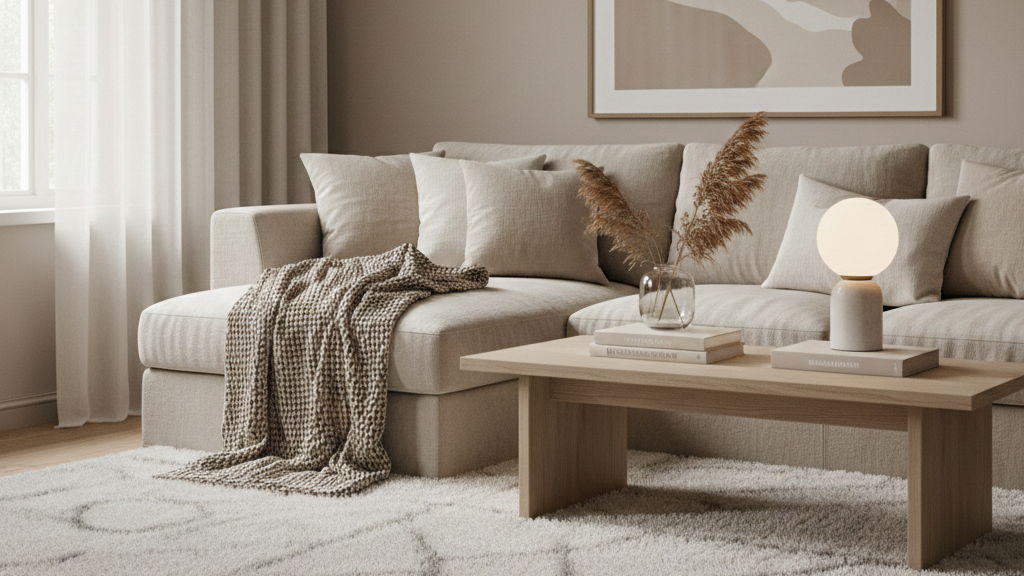
For years, living rooms were designed to look good — clean lines, neutral palettes, carefully styled spaces that photographed well but didn’t always feel lived in.
In 2026, that’s changing.
The living room is becoming a place of comfort, personality, and emotional calm. Instead of showroom perfection, the focus is on spaces that feel grounding, welcoming, and genuinely enjoyable to spend time in.
These living room trends for 2026 aren’t about replacing everything you own — they’re about small, thoughtful shifts that make a big difference in how a space feels.
This post contains affiliate links. As an Amazon Associate, I earn from qualifying purchases at no extra cost to you.
1. Warm Minimalism Replaces Cold, Empty Spaces
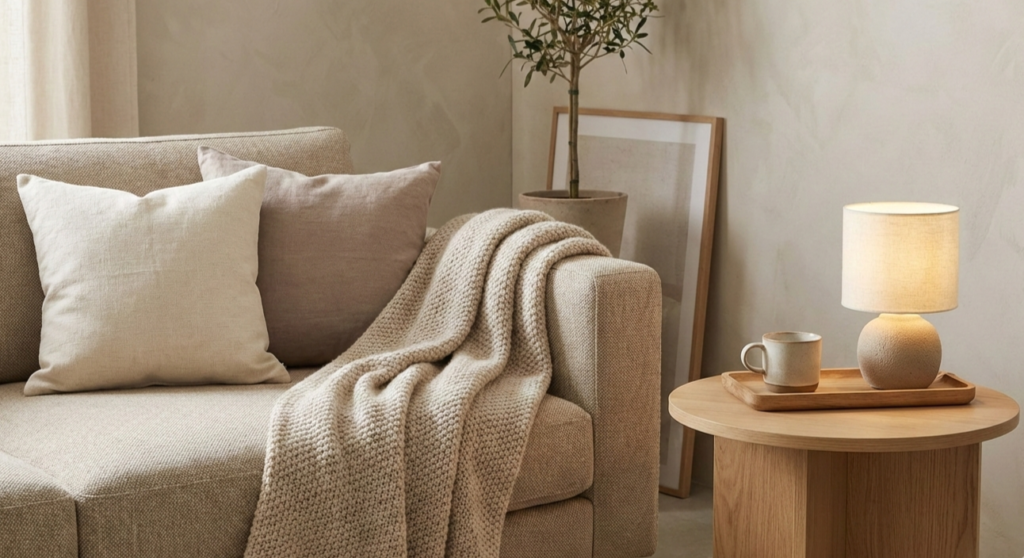
Minimalism isn’t disappearing — it’s evolving.
In 2026, the stark, cold version of minimalism is giving way to warm minimalism: fewer items, but softer materials, warmer tones, and more texture.
Living rooms are still uncluttered, but they feel inviting instead of empty.
Why this trend is growing:
People want calm without feeling disconnected. Warm minimalism offers visual peace and emotional comfort.
How to bring it into your living room:
2. Softer Shapes and Rounded Furniture
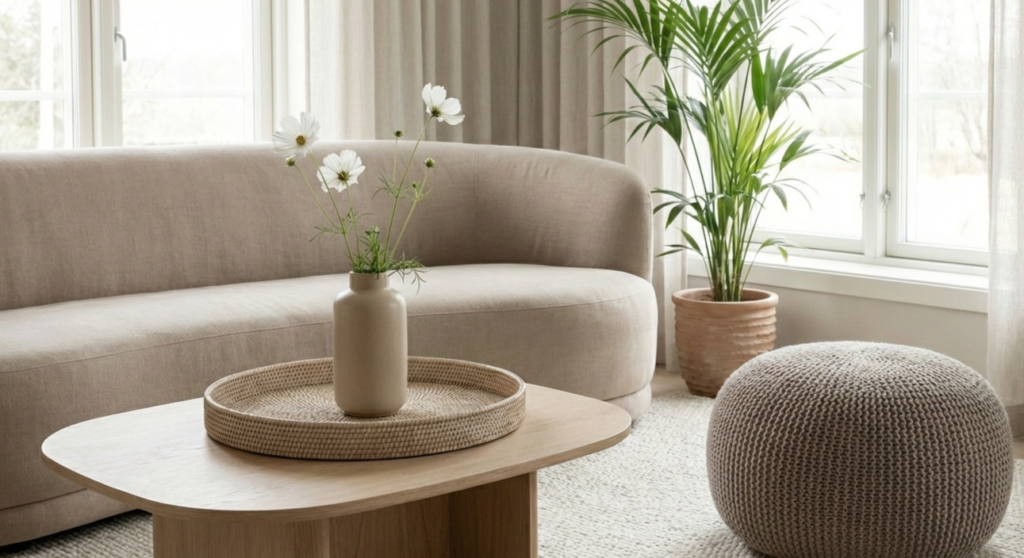
Sharp edges and rigid silhouettes are being replaced by rounded, organic forms.
Curved sofas, rounded coffee tables, and sculptural decor create a sense of flow and ease — visually and emotionally.
Why it works:
Rounded shapes feel safer, calmer, and more natural. They soften a space instantly.
Easy ways to adopt this trend:
3. Earthy, Comforting Color Palettes Take Over
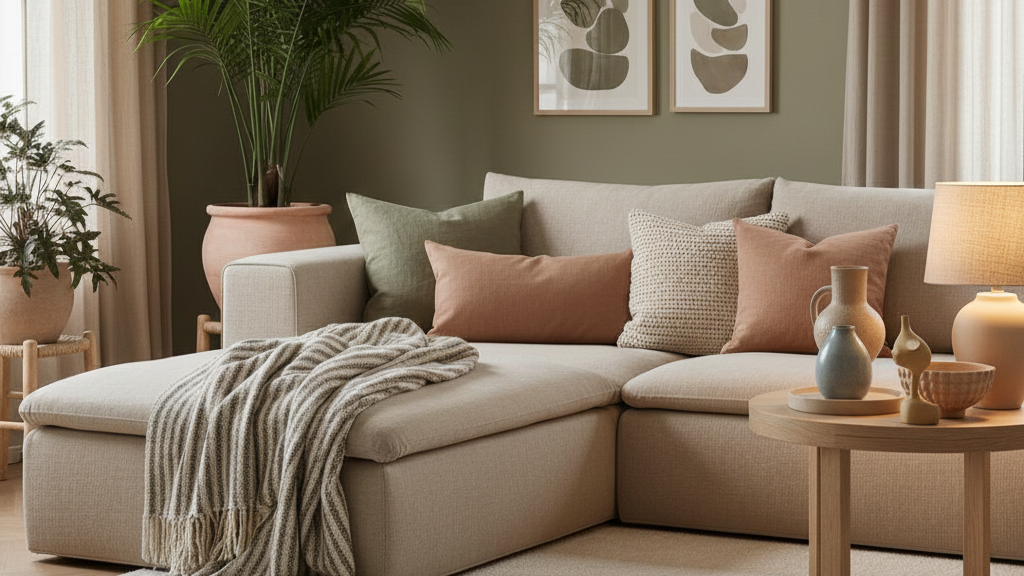
In 2026, living rooms move away from flat greys and bright whites toward earthy, comforting tones.
Think:
- warm beige
- clay and terracotta
- olive and muted green
- soft browns and taupe
These colors create a grounded, restful environment without feeling dark or heavy.
Why this trend matters:
Color has a huge impact on mood. Earthy tones make spaces feel calm, stable, and timeless.
Low-commitment ways to add color:
4. Lighting Becomes the Main Design Feature
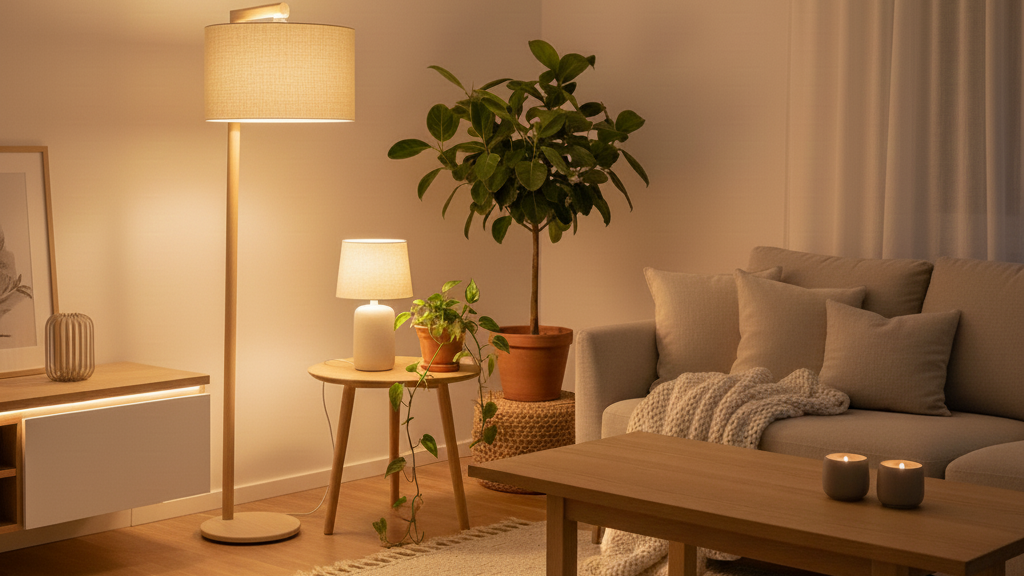
Overhead lighting alone is officially out.
In 2026, living rooms rely on layered, warm lighting to create atmosphere. Lamps are no longer just functional — they’re part of the decor.
Why this is changing:
People are realizing that lighting affects mood more than almost anything else in a room.
Key lighting elements:
5. Textures Matter More Than Decor
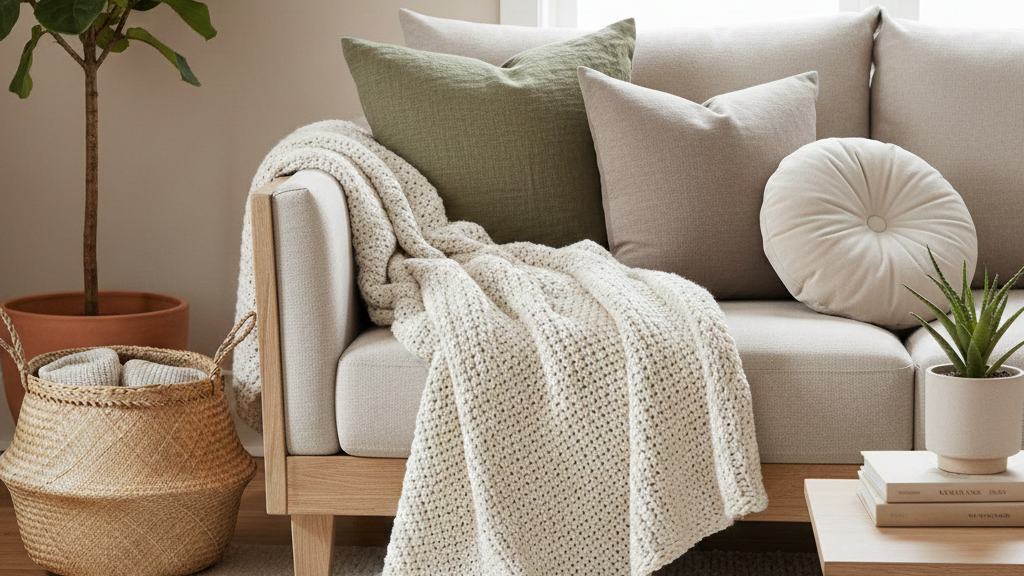
Instead of adding more objects, 2026 living rooms focus on how things feel.
Texture creates interest without clutter:
- chunky knits
- linen
- wool
- soft rugs
Why texture is trending:
It adds warmth and depth without overwhelming the space — perfect for calm interiors.
Simple texture upgrades:
6. Personality Over Perfection
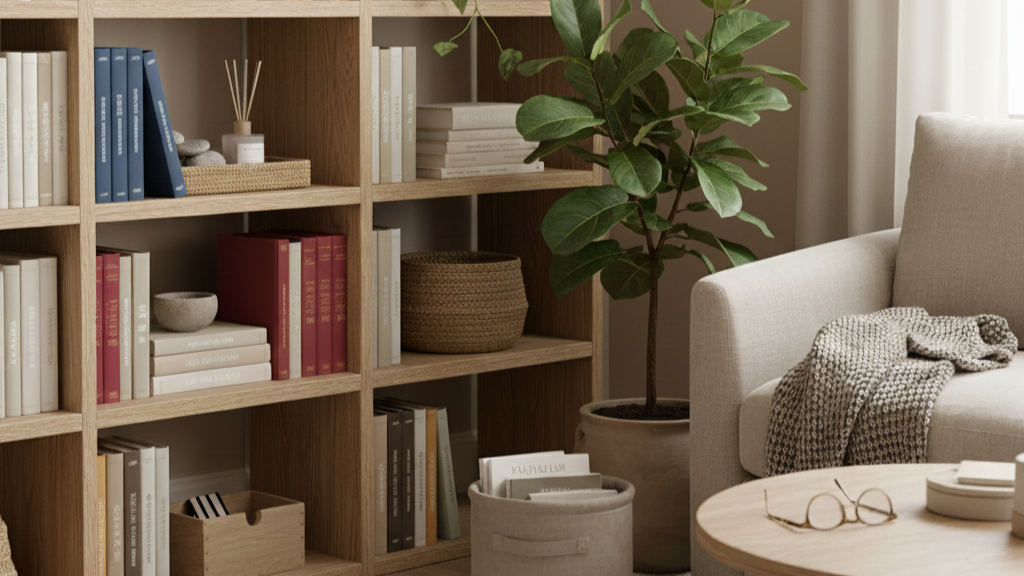
Perfectly styled rooms are losing appeal.
Living rooms in 2026 feel personal, relaxed, and slightly imperfect — a mix of old and new, practical and beautiful.
This could mean:
- books on display
- meaningful objects
- cozy, lived-in arrangements
Why this resonates:
Homes are becoming reflections of real life, not social media ideals.
How to apply this trend:
Final Thoughts: The Living Room as a Place to Breathe
The biggest living room trend for 2026 isn’t a specific color or item — it’s intention.
Spaces are designed to support how we actually live: resting, connecting, unwinding, and feeling at home.
You don’t need to redo everything. Even one or two small changes — softer lighting, warmer textures, a more personal layout — can completely shift how your living room feels.
And that’s what makes these trends so powerful.